Your FREE First Visit
60min
Your first step is a low-pressure visit to understand your body mechanics, what will resolve it, and explain our approach.
- Quick intake: what’s hurting, what triggers it, training goals
- Movement: mobility, strength, control, and sport-specific patterns
- Clear plan: observations, why it’s happening, best path forward
What You’ll Receive
- A clear clinical direction and root-cause hypothesis
- Recommended next steps, including a plan and projected timeline
- Practical guidance on what to do, and what to avoid, in training right now


What They’re Saying About Us


Quick Questions
Upper back pain can originate from muscles, joints, ribs, connective tissues, or nerves. Muscle strains often cause localized soreness and tightness, while joint or rib dysfunction may create stiffness and pain with movement. Nerve irritation can produce burning, tingling, numbness, or symptoms that travel into the chest, shoulder, or arm. A thorough assessment can help determine the source of your symptoms.
Pain from the upper back can sometimes spread into nearby areas due to muscle tension, joint irritation, rib dysfunction, or nerve involvement. Because several structures can contribute to referred pain patterns, a proper evaluation is important to identify the underlying cause.
Yes. Restrictions and tension in the upper back and thoracic spine can affect posture, neck mechanics, and muscle function. In some cases, this may contribute to neck discomfort, muscle tension, and certain types of headaches.
Not necessarily. Many athletes can continue training with modifications. The goal is to avoid movements that significantly aggravate symptoms while maintaining appropriate activity levels and gradually rebuilding strength, mobility, and function.
Symptoms may worsen with prolonged sitting, poor posture, repetitive lifting, overhead activities, rotational movements, heavy pulling exercises, deep breathing, or remaining in one position for extended periods. The exact triggers depend on the underlying condition.
The number of visits varies based on the severity of symptoms, how long the problem has been present, training demands, and individual recovery goals. Some athletes improve within a few sessions, while more persistent or complex conditions may require a longer rehabilitation plan.
Yes. Treatment may help reduce pain, improve mobility, restore normal movement patterns, decrease muscle tension, and support recovery from sports-related upper back injuries, impact-related discomfort, and overuse conditions.
Immediate medical evaluation may be necessary if upper back pain is accompanied by significant weakness, loss of coordination, difficulty breathing, chest pain, unexplained weight loss, fever, recent major trauma, severe neurological symptoms, or rapidly worsening pain.
Treatment typically considers the entire kinetic chain. The neck, shoulders, ribs, thoracic spine, breathing mechanics, core stability, posture, and movement patterns can all influence upper back function and recovery. Addressing contributing factors throughout the body often leads to better long-term outcomes.
Short-term changes often include reducing aggravating lifts, improving workstation setup, limiting prolonged static positions, maintaining good posture, taking regular movement breaks, and performing simple mobility and control exercises that match your presentation and current tolerance.

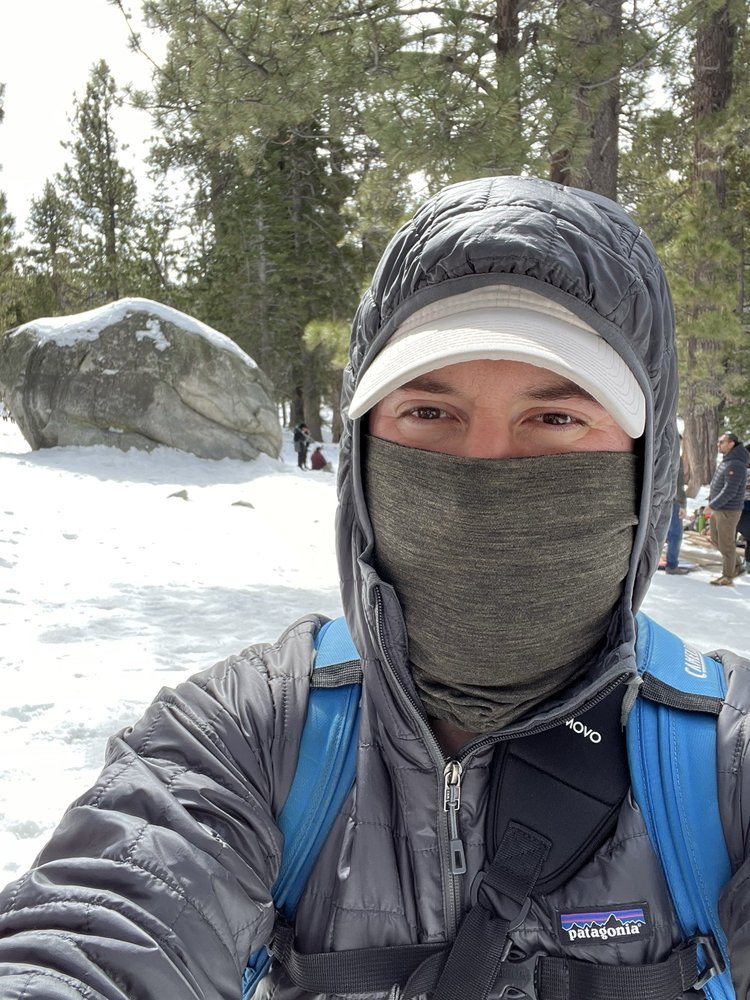
Dr. Alex Mak, DC, CCSP, CSCS, QME
I was the kid who was told to quit after years of sports and constant injuries, so I became the provider I never had, earning a kinesiology degree at SDSU, graduating chiropractic school summa cum laude, and doubling my clinical hours to obsessively master human movement. Olympus Sports Therapy is built on identifying the root cause, building a real progression plan, and guiding athletes from pain and setbacks back to stronger performance.

Seek medical attention immediately if you experience:
Severe or worsening pain that doesn’t improve with rest Numbness or tingling spreading down both legs Loss of strength in your leg or foot Difficulty controlling bladder or bowel function Pain following a fall, accident, or trauma