Hip pain relief for athletes

Restore stride, strength & stability for long-distance running & training.

  • Pain at the front of the hip/groin, with running uphill

  • Side hip pain near the bony point, worse after mileage

  • Deep hip tightness/pinching with squats, lunges, or sitting

  • Pain shows up with rotation, cutting, or directional changes

  • Glute weakness, fatigue, or imbalance from side to side

  • Clicking, catching, or a feeling of restriction in the joint

  • Knee or low back irritation that seems tied to hip mechanics

  • Hip flexor strain & hip flexor tendinopathy

  • Gluteal tendinopathy & lateral hip pain

  • Greater trochanteric bursitis type irritation

  • FAI related pinching, stiffness & load sensitivity

  • Labral irritation and deep joint discomfort

  • Hip joint stiffness and osteoarthritis flare-ups

  • Pelvic control issues that overload the hip, knee, or low back

  • Often triggered by: Long-distance running, sprinting, CrossFit & weightlifting, soccer and field sports, basketball & volleyball, hiking, cycling, and rotation-heavy sports like golf.

  • Pain lasts longer than 1–2 weeks

  • Symptoms return every time you increase mileage/intensity

  • You have pinching pain in the front of the hip with squats/sitting

  • Side hip pain worsens with running or lying on that side

  • Your stride feels uneven or you are compensating

  • You notice weakness, instability, or loss of power

  • Pain is affecting sleep, stairs, or daily movement

  • You are avoiding training because you do not trust the hip

Hip Pain for Runners

The hip is a powerhouse joint, driving stride mechanics, propulsion, rotation & stability with every step you take. When hip pain shows up, it rarely stays isolated. It can influence the low back, knee & pelvis, often changing your movement patterns and creating compensations that limit performance over time.
We treat hip conditions with a detailed biomechanical assessment, hands-on care & progressive strengthening to identify the real driver of symptoms. Whether it is hip flexor strain, bursitis, FAI, gluteal tendinopathy, labral irritation, or osteoarthritis-related stiffness, the goal is clear: reduce pain, restore efficient mechanics & get you back to running and training with a hip you can trust.

Your FREE First Visit

60min

Your first step is a low-pressure visit to understand your body mechanics, what will resolve it, and explain our approach.

  • Quick intake: what’s hurting, what triggers it, training goals
  • Movement: mobility, strength, control, and sport-specific patterns
  • Clear plan: observations, why it’s happening, best path forward

What You’ll Receive

  • A clear clinical direction and root-cause hypothesis
  • Recommended next steps, including a plan and projected timeline
  • Practical guidance on what to do, and what to avoid, in training right now
Watch Video
gray-bg-image plyIcon

What They’re Saying About Us

5.0
Nelson P.
8 months ago
Don't think of this as a typical review written for business--think it as genuine testimony! As a self-proclaimed athlete with a background in soccer and...
Chris S.
11 months ago
If you are looking for a Dr. who supports and treats, rather than giving a generic try this and that, then book the consultation with Dr. Alex Mak. With...
Ben G.
1 year ago
Dr. Mak is very knowledgeable and was able to address the issues I had been experiencing, specifically chronic pain in my foot along with knee pain when...

Quick Questions

Running is repetitive loading. Small deficits in hip mobility, glute strength & pelvic control can compound over mileage and create overload in the hip and surrounding tissues.

Location and triggers matter. Front hip or groin pain often points toward flexor overload or joint pinching, while side hip pain often involves glute tendons. An assessment clarifies what is driving your symptoms.

FAI often feels like pinching or deep discomfort in the front of the hip or groin, commonly worse with squats, prolonged sitting, hills, or higher intensity running.

Yes. When hip mechanics change, the knee and low back often absorb extra load. Improving hip strength & control can reduce stress elsewhere.

Not always. Many runners do better with smart modifications, reduced aggravating volume, and a clear plan to rebuild capacity rather than fully stopping.

Most athletes need both. Mobility without strength can leave the hip unstable, and strength without mobility can reinforce compensation. The best plan blends mobility, control & progressive loading.

Timeline depends on how long symptoms have been present, the diagnosis, and how well load is managed. The goal is steady progress without flare-ups, not quick jumps that set you back.

Reduce painful mileage or speed work, avoid deep painful ranges, and focus on controlled hip stability work until you are assessed.

Yes. Many athletes improve with the right plan. The focus is reducing irritation, restoring mechanics & building strength so the hip tolerates load better.

Dr. Alex Mak, DC, CCSP, CSCS, QME

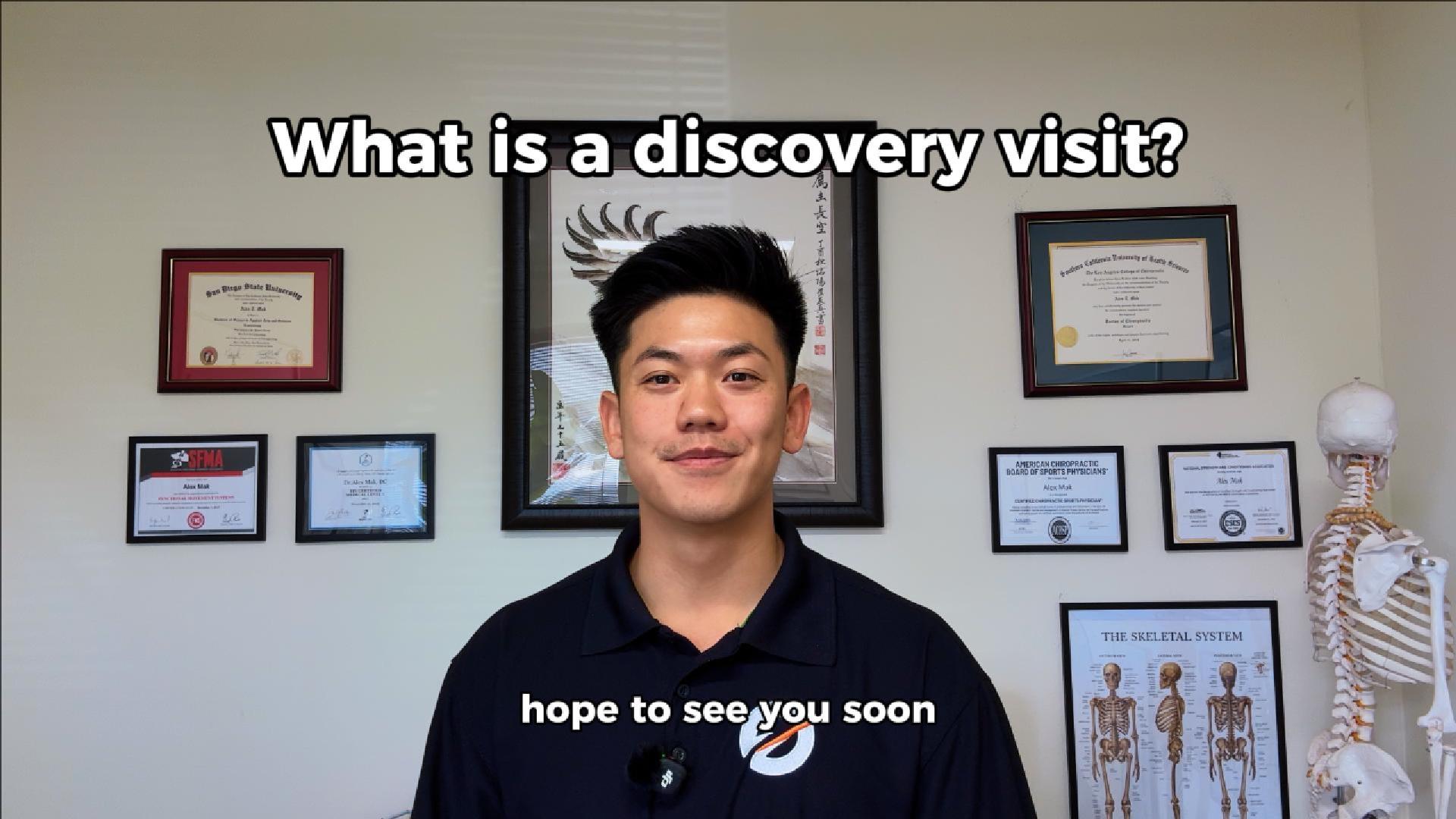
I was the kid who was told to quit after years of sports and constant injuries, so I became the provider I never had, earning a kinesiology degree at SDSU, graduating chiropractic school summa cum laude, and doubling my clinical hours to obsessively master human movement. Olympus Sports Therapy is built on identifying the root cause, building a real progression plan, and guiding athletes from pain and setbacks back to stronger performance.

Seek medical attention immediately if you experience:

Severe or worsening pain that doesn’t improve with rest Numbness or tingling spreading down both legs Loss of strength in your leg or foot Difficulty controlling bladder or bowel function Pain following a fall, accident, or trauma
Call Now Button