Your FREE First Visit
60min
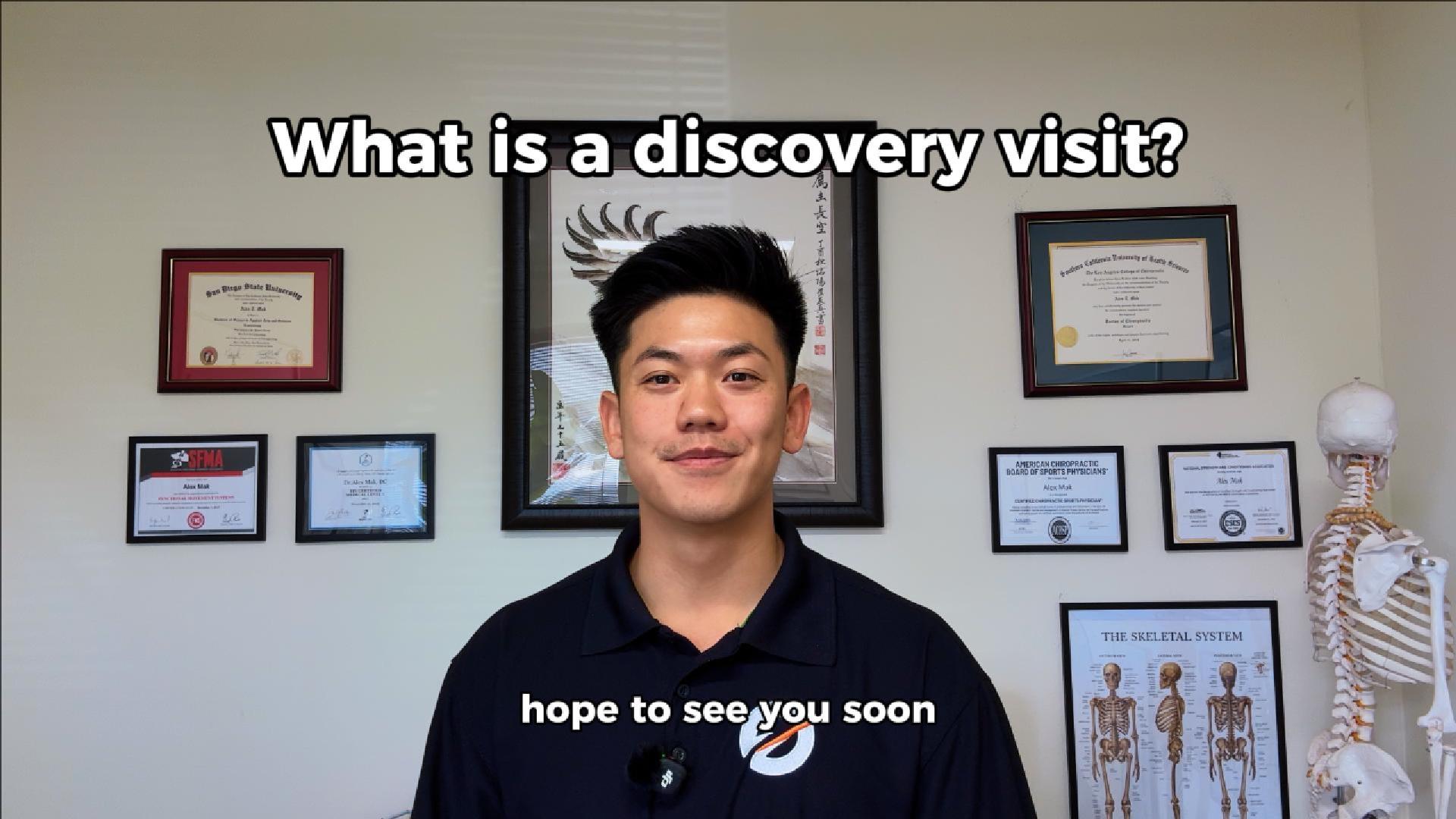
Your first step is a low-pressure visit to understand your body mechanics, what will resolve it, and explain our approach.
- Quick intake: what’s hurting, what triggers it, training goals
- Movement: mobility, strength, control, and sport-specific patterns
- Clear plan: observations, why it’s happening, best path forward
What You’ll Receive
- A clear clinical direction and root-cause hypothesis
- Recommended next steps, including a plan and projected timeline
- Practical guidance on what to do, and what to avoid, in training right now

What They’re Saying About Us


Quick Questions
It depends on your symptoms, history, and how the shoulder behaves with specific tests. We assess strength, range of motion, stability, and mechanics to identify the most likely driver.
Throwing loads the shoulder through high-speed rotation and deceleration. Pain often comes from poor load tolerance, restricted rotation, scap control issues, or irritated rotator cuff or labral tissue.
Pinching can be a sign of impingement-like mechanics, irritated tendon tissue, or limited joint motion. The goal is to restore positioning and movement so the shoulder clears smoothly.
Yes. Clicking can be normal, but pain, catching, or instability signals a need for evaluation. We work on stability, control, and strength through ranges that matter for sport.
Not always. Most athletes do better with smart modifications, reduced volume, and a plan that rebuilds capacity. We will tell you what to avoid right now and what you can keep training safely.
Impingement describes a pattern of painful overhead mechanics. Rotator cuff tendinopathy describes irritated tendon tissue. They often overlap, and treatment focuses on improving mechanics, strength, and load tolerance.
It varies by severity, duration, and goals. Acute issues may improve quickly, while chronic problems or return-to-throw programs often require a longer progression.
Yes. We coordinate rehab phases, restore mobility safely, and rebuild strength and control to support a confident return to training.
Night pain can be related to irritated tissues, sleeping position, or reduced tolerance in certain ranges. Addressing mechanics, inflammation sensitivity, and positioning usually helps.
Seek urgent care if you have a major loss of strength, sudden deformity, severe pain after trauma, progressive numbness or tingling, or symptoms that rapidly worsen.

Dr. Alex Mak, DC, CCSP, CSCS, QME
I was the kid who was told to quit after years of sports and constant injuries, so I became the provider I never had, earning a kinesiology degree at SDSU, graduating chiropractic school summa cum laude, and doubling my clinical hours to obsessively master human movement. Olympus Sports Therapy is built on identifying the root cause, building a real progression plan, and guiding athletes from pain and setbacks back to stronger performance.

Seek medical attention immediately if you experience:
Severe or worsening pain that doesn’t improve with rest Numbness or tingling spreading down both legs Loss of strength in your leg or foot Difficulty controlling bladder or bowel function Pain following a fall, accident, or trauma