Peripheral neuropathy can make everyday movement feel like a struggle. That tingling, burning, or numb sensation in your feet or hands? It’s more than discomfort—it can affect your balance, mobility, and confidence.
At Olympus Sports Therapy here in Whittier, we understand how frustrating that can be. Our physical therapy treatment for peripheral neuropathy is designed to help you move with less pain and more control.
Through focused, one-on-one care, we help restore function so you can get back to living fully. If you’re ready to feel steadier and stronger, we’re here to help you start that journey.
What Is Peripheral Neuropathy?
Peripheral neuropathy is a condition that affects the peripheral nerves—the nerves outside of the brain and spinal cord. These nerves send signals between your body and your central nervous system, helping you feel sensations, move your muscles, and regulate automatic body functions like digestion and blood pressure. When these nerves are damaged, it can lead to pain, weakness, numbness, or loss of coordination.
There are three main types of peripheral nerves that can be affected:
• Sensory nerves, which affect your ability to feel pain, temperature, or touch
• Motor nerves, which control how your muscles move
• Autonomic nerves, which manage involuntary body functions like heart rate and blood pressure
People with peripheral neuropathy might experience sharp or burning pain, tingling in the hands or feet, muscle weakness, or even trouble with balance. Symptoms often start in the extremities and may gradually spread.
Common Causes of Peripheral Neuropathy
Peripheral neuropathy isn’t just one condition—it has many potential causes. The most common one is diabetes. Over time, high blood sugar levels can damage nerve fibers, especially in the legs and feet.
Other causes include:
• Physical injuries or trauma (such as a car accident or fall)
• Infections like shingles or Lyme disease
• Autoimmune conditions such as lupus or rheumatoid arthritis
• Exposure to toxins (including alcohol or certain medications)
• Vitamin deficiencies, especially B12
• Cancer treatments like chemotherapy
Sometimes, the cause of peripheral neuropathy isn’t known. In these cases, it’s called idiopathic neuropathy.
Why Early Treatment Is Essential
Catching peripheral neuropathy early gives you the best chance to slow its progression and manage symptoms effectively. Waiting too long may lead to permanent nerve damage, reduced mobility, or chronic pain. Early physical therapy treatment for peripheral neuropathy can help restore function, reduce discomfort, and prevent complications like falls or infections.
How Physical Therapy Helps Manage Peripheral Neuropathy
Living with peripheral neuropathy doesn’t have to mean living with daily pain or limited mobility. Physical therapy offers a safe, drug-free approach to managing symptoms and improving overall quality of life.
The Role of Physical Therapy in Nerve Health
Physical therapy focuses on helping your body move and function better. When it comes to nerve damage, therapy works by improving blood flow, strengthening muscles, and retraining the body to move more efficiently.
With a tailored plan, physical therapy can:
• Reduce nerve pain and discomfort
• Increase muscle strength
• Improve balance and coordination
• Restore mobility and independence
Therapists also educate patients on how to protect themselves from injuries that could make symptoms worse.
Goals of Physical Therapy Treatment for Peripheral Neuropathy
At the heart of every treatment plan is a focus on what matters most to the patient—feeling better and moving with confidence. Some common goals include:
• Pain relief through movement, manual therapy, or gentle stretching
• Better balance, especially in patients with numbness in their feet
• Improved range of motion, flexibility, and posture
• Increased strength, particularly in weakened limbs
These goals are set collaboratively between the therapist and patient, and they’re adjusted as progress is made.
Why Consistency and Customization Matter
No two cases of peripheral neuropathy are exactly the same. That’s why consistent, customized care is so important. A treatment plan that works for one person may not work for another. At Olympus Sports Therapy, every plan is tailored to the individual’s health status, goals, and comfort level. Regular sessions also allow the therapist to track progress and make changes to the plan as needed.
Olympus Sports Therapy’s Approach in Whittier
If you’re in Whittier and looking for physical therapy treatment for peripheral neuropathy, Olympus Sports Therapy provides care that’s both expert and personalized. We take pride in offering a patient-first experience that focuses on helping you get back to doing what you love.
Patient-Centered Evaluations and Planning
Everything starts with a one-on-one evaluation. We’ll review your medical history, ask about your symptoms, and assess your strength, mobility, and balance. Based on that, we create a customized treatment plan that fits your goals and lifestyle.
We don’t believe in cookie-cutter solutions. Each person’s path to recovery is unique, and we treat it that way.
Techniques We Use
Our therapists use a range of techniques designed to target different symptoms of peripheral neuropathy:
• Balance and gait training: We help you walk more steadily and reduce the risk of falls
• Strengthening and flexibility exercises: These exercises rebuild muscle and support damaged nerves
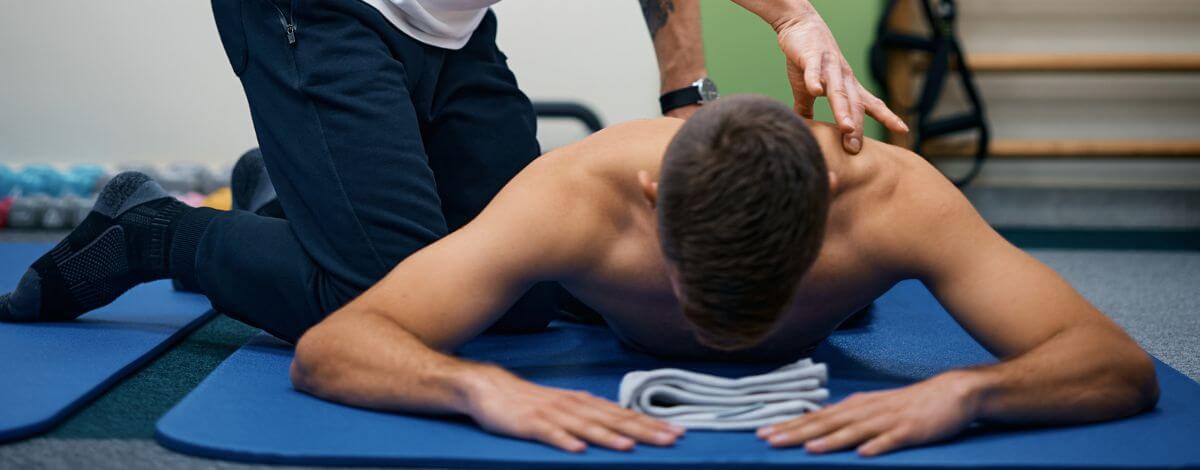
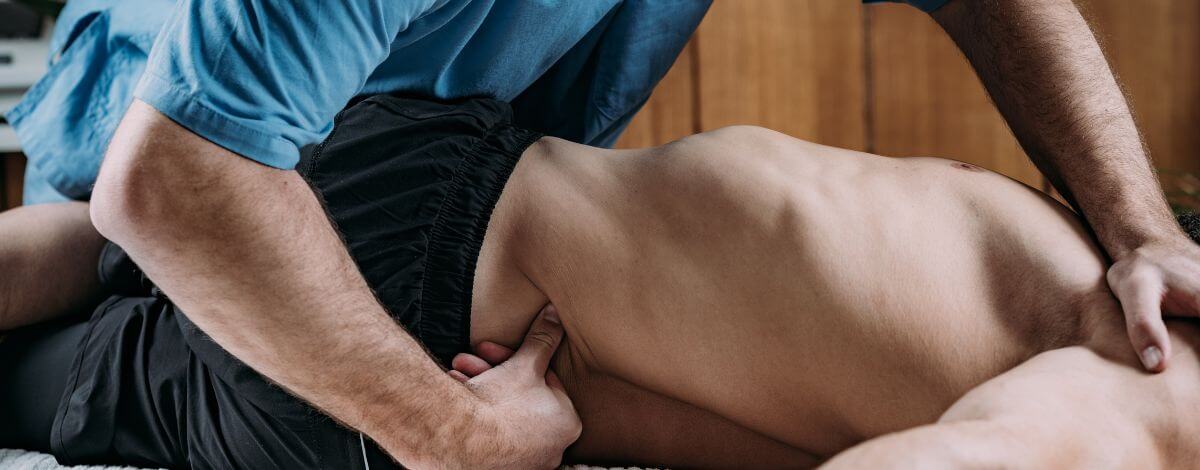
• Manual therapy: If appropriate, we may use hands-on techniques to ease tension and improve circulation
• Neuromuscular re-education: This helps retrain your body to move more safely and efficiently
We also focus on proper form and posture to relieve pressure on nerves and improve function.
Education and At-Home Support
What happens outside the clinic is just as important. We teach patients stretches, exercises, and movement strategies they can do at home. This helps build strength and confidence between sessions, reinforcing the work done in therapy.
We also provide practical tips on lifestyle changes that support long-term nerve health, like footwear advice, staying active, and managing contributing conditions such as diabetes.
Long-Term Function and Quality of Life
Our ultimate goal is to help you regain control of your life—not just reduce symptoms temporarily. Whether that means walking with confidence, returning to hobbies, or simply feeling more stable, we’re here to support every step.
What to Expect During Your Visit
Visiting Olympus Sports Therapy is a welcoming and personalized experience. From the moment you walk in, you’ll know you’re in capable hands.
First Visit: Assessment and Diagnosis
Your first visit will include a full physical evaluation. We’ll assess your nerve function, balance, strength, and flexibility. This allows us to pinpoint where the issues are and design a plan that matches your needs.
Expect to talk through your medical history, describe your symptoms, and outline your physical goals. This isn’t a rushed process—it’s a conversation.
Treatment Frequency and Duration
Everyone’s journey is different, but most patients attend therapy two to three times per week in the beginning. As you progress, sessions may become less frequent. A typical session lasts about 45 minutes to an hour.
Our team monitors your progress closely, making adjustments to keep things effective and challenging in a safe way.
Measuring and Adjusting Your Progress
We believe in tracking what matters. That includes mobility, pain levels, strength gains, and improvements in balance. Your plan will be adjusted regularly to make sure you’re improving and staying motivated.
A Friendly and Supportive Environment
Our Whittier clinic is designed to make you feel comfortable, supported, and understood. We know that living with nerve pain can be frustrating and tiring, so we’re here to make recovery feel hopeful and empowering. Our therapists listen, explain clearly, and are always available to answer questions.
Who Can Benefit from This Treatment?
Peripheral neuropathy affects people in different ways, and physical therapy is one of the safest and most effective ways to manage it. At Olympus Sports Therapy, we work with a wide range of patients.
Adults with Diabetic Neuropathy
People with diabetes often experience numbness, tingling, and burning in their legs or feet. Physical therapy helps improve blood flow, reduce pain, and restore balance. It also supports better foot care to prevent injuries or ulcers.
Recovery from Nerve-Related Injuries or Surgeries
If you’ve had an accident or surgery that affected your nerves, therapy can help you recover faster and more completely. We focus on rebuilding strength and coordination to get you moving again safely.
People Looking for Non-Invasive Pain Relief
Not everyone wants medication or invasive procedures. Physical therapy is a great option for those who prefer a natural approach to healing. With consistent sessions, many people see dramatic improvement in how they feel and function.
Let’s Get You Moving Again
If you’re dealing with nerve pain, tingling, or weakness, physical therapy treatment for peripheral neuropathy can help you move better and feel stronger. At Olympus Sports Therapy here in Whittier, we’re all about helping you regain comfort and control—one step at a time.
Our experienced team will guide you through personalized care that’s focused on your goals and your daily life.
Let’s work together to improve your balance, build strength, and make every movement feel easier. Ready to take the first step? Schedule a consultation with us today—we’re here when you need us.
FAQs
1. What is peripheral neuropathy and what causes it?
Peripheral neuropathy refers to nerve damage outside the brain and spinal cord, often causing pain, tingling, or numbness. It can result from diabetes, injury, infections, or exposure to toxins. Identifying the cause is key to creating an effective physical therapy treatment plan.
2. How can physical therapy help with peripheral neuropathy symptoms?
Physical therapy helps by improving strength, balance, and mobility. It also enhances nerve function through targeted exercises and techniques, helping reduce pain, numbness, and coordination issues. At Olympus Sports Therapy, programs are customized for long-term relief and better daily function.
3. What types of treatments are used in physical therapy for neuropathy?
Treatments may include balance training, strengthening exercises, manual therapy, neuromuscular re-education, and pain management techniques. Olympus Sports Therapy also uses functional movement assessments to tailor care to each patient’s needs, promoting nerve health and restoring mobility.
4. Is physical therapy effective for diabetic neuropathy?
Yes, physical therapy is a proven approach for managing diabetic neuropathy. It can improve circulation, reduce discomfort, and prevent complications like falls. With consistent treatment, many patients experience improved movement, stability, and quality of life at Olympus Sports Therapy.
5. How long does it take to see results from physical therapy?
Many patients begin noticing improvements within a few weeks, depending on severity and consistency. Regular sessions, combined with at-home exercises, can significantly enhance outcomes. Your therapist at Olympus will track progress and adjust your plan to ensure lasting results.