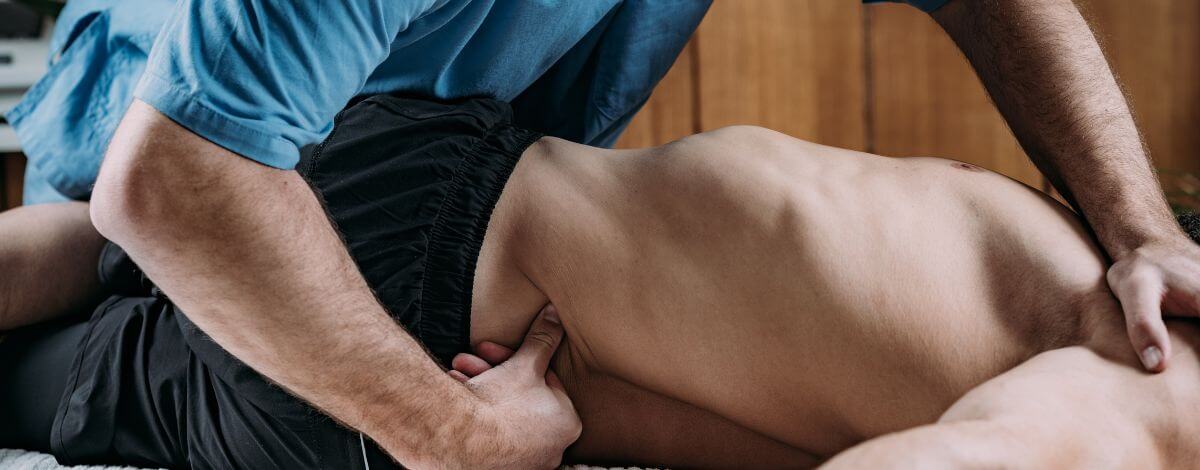

Chronic pain affects over 50 million Americans, representing one of the most complex medical challenges requiring specialized, multidisciplinary approaches. In Whittier, California, residents have access to exceptional chronic pain management specialists who combine cutting-edge medical interventions with comprehensive rehabilitation strategies. This detailed analysis examines the leading chronic pain management options available in the Whittier area, helping you navigate toward effective, personalized treatment solutions.
Struggling with persistent pain that impacts your daily life? Consider exploring the comprehensive chronic pain management programs available at leading Whittier medical centers, where advanced diagnostic techniques and multimodal treatment approaches address both the physical and psychological components of chronic pain conditions.
1. Olympus Sports Therapy – Integrated Movement-Based Pain Management
Olympus Sports Therapy revolutionizes chronic pain treatment in Whittier through their innovative “recovery meets resilience” philosophy, specifically addressing the complex interplay between movement dysfunction and persistent pain patterns. Under the expert guidance of Dr. Alex Mak, DC, CCSP®, CSCS, this facility has developed groundbreaking protocols that treat chronic pain as a movement disorder rather than simply a symptom to suppress.
Revolutionary Approach: Treating Pain as Movement Dysfunction
Olympus Sports Therapy recognizes that chronic pain represents a complex neurological condition where movement patterns, tissue health, and central nervous system function interact. Dr. Mak’s unique combination of chiropractic sports medicine expertise and strength conditioning certification enables treatment protocols that address the root biomechanical causes while simultaneously retraining the nervous system’s pain processing mechanisms.
Comprehensive Assessment Framework:
• Detailed movement screening identifying pain-generating patterns
• Neurological evaluation assessing central sensitization markers
• Lifestyle analysis examining sleep, stress, and activity factors
• Psychosocial screening for pain catastrophizing and fear-avoidance behaviors
Integrated Treatment Modalities:
• Manual therapy targeting joint restrictions and soft tissue dysfunction
• Progressive loading protocols designed to desensitize hypersensitive tissues
• Performance training approaches that rebuild confidence and capacity
• Education programs addressing pain science and self-management strategies
2. PIH Health Pain Management – Hospital-Based Comprehensive Care
PIH Health Pain Management provides hospital-integrated chronic pain management services with access to advanced medical resources and multidisciplinary team coordination.
Hospital-Integrated Advantages
• Seamless coordination with multiple medical specialties
• Access to advanced diagnostic imaging and testing
• Comprehensive medical record integration
• Emergency care coordination when needed
Multidisciplinary Team Approach
• Board-certified pain management physicians
• Coordinated care with orthopedic and neurological specialists
• Physical therapy and rehabilitation integration
• Psychological support services coordination
3. Uptown Wellness Center – Holistic Non-Surgical Approaches
Uptown Wellness Center offers comprehensive drug-free chronic pain management through their multidisciplinary approach, emphasizing natural healing without surgery in their modern 5,000 sq ft facility.
Non-Surgical Treatment Philosophy
• Comprehensive drug-free pain management approaches
• Integration of chiropractic care, acupuncture, and massage therapy
• Nutritional counseling for anti-inflammatory support
• Stress management and lifestyle modification programs
Advanced Treatment Modalities
• Spinal decompression therapy for chronic back pain
• Shockwave therapy for persistent soft tissue conditions
• Class 4 laser therapy for deep tissue healing
• Comprehensive wellness programs for pain prevention
4. Professional Physical Therapy Associates – Movement-Based Pain Management
Professional Physical Therapy Associates provides chronic pain management through their specialized Integrative Manual Therapy approaches, focusing on identifying and treating the root causes of persistent pain patterns.
Integrative Manual Therapy Focus
• Root cause identification rather than symptom management
• Treatment of regional and systemic dysfunction patterns
• Comprehensive hands-on therapeutic approaches
• Over 30 years of experience in complex pain management
Specialized Pain Management Services
• Chronic musculoskeletal pain rehabilitation
• Movement dysfunction correction
• Postural and ergonomic optimization
• Self-management education and empowerment
5. Woods Chiropractic – Community-Focused Pain Management
Woods Chiropractic provides personalized chronic pain management through Dr. Kerry Woods’ wellness-oriented approach, emphasizing patient education and long-term health optimization for the local Whittier community.
Wellness-Oriented Philosophy
• Focus on long-term health optimization rather than symptom suppression
• Comprehensive patient education about pain mechanisms
• Preventive care strategies for pain management
• Community-focused, personalized treatment approaches
Chronic Pain Specializations
• Persistent back and neck pain management
• Headache and migraine treatment
• Arthritis-related pain management
• Lifestyle modification for pain prevention
Evidence-Based Chronic Pain Management Strategies
Research Supporting Multimodal Approaches
Recent systematic reviews published in Rheumatology demonstrate that comprehensive, multimodal chronic pain management programs achieve superior outcomes compared to single-intervention approaches.
Multimodal chronic pain care delivery models coupling decision support with proactive treatment monitoring consistently provide clinically relevant improvement in pain and function, according to research published in Journal of General Internal Medicine. Another comprehensive meta-analysis of studies evaluating multidisciplinary treatments for chronic back pain revealed that multidisciplinary treatments are superior to no treatment, waiting list, as well as single-discipline treatments such as medical treatment or physical therapy alone.
Core Components of Effective Chronic Pain Treatment
Medical Management Optimization
• Appropriate medication selection based on pain mechanisms
• Regular monitoring for effectiveness and side effects
• Gradual tapering protocols when medication reduction is appropriate
• Integration of non-pharmacological interventions
Physical Rehabilitation Focus
• Graded exercise therapy progressing from basic to functional activities
• Manual therapy addressing movement restrictions and tissue health
• Movement re-education correcting fear-avoidance patterns
• Occupational therapy for daily living skill adaptation
Psychological Intervention Integration
• Cognitive-behavioral therapy addressing pain-related thoughts and behaviors
• Acceptance and commitment therapy for chronic pain adaptation
• Mindfulness-based stress reduction for pain coping skills
• Family therapy addressing relationship impacts of chronic pain
Your Path Forward: Reclaiming Life from Chronic Pain
Chronic pain doesn’t have to define your life or limit your potential for meaningful activity and relationships. The exceptional chronic pain management specialists in Whittier offer evidence-based, comprehensive treatment approaches that address not just pain intensity, but overall function, quality of life, and long-term wellness. Whether you’re dealing with widespread fibromyalgia, complex regional pain syndrome, or persistent back pain, these skilled professionals provide the expertise and compassionate care needed for optimal outcomes.
Ready to take the first step toward better pain management? Consider scheduling a comprehensive evaluation with one of Whittier’s leading chronic pain specialists, where advanced assessment techniques and personalized treatment plans offer hope for improved function and renewed quality of life. Your journey toward effective pain management and restored wellness begins with that crucial first appointment.
Frequently Asked Questions
How is chronic pain different from acute pain, and why does it require specialized treatment?
Chronic pain persists beyond normal healing time (typically 3-6 months) and involves changes in the nervous system that make it a distinct medical condition. Unlike acute pain that serves as a warning signal, chronic pain often persists without ongoing tissue damage and requires specialized approaches that address neuroplastic changes, psychological factors, and functional restoration rather than just symptom relief.
Will I need to take pain medications long-term for chronic pain management?
Medication needs vary greatly depending on your specific condition, response to treatment, and overall health status. Many patients successfully reduce or eliminate pain medications through comprehensive treatment programs. Your pain specialist will work with you to find the most effective combination of treatments while minimizing medication dependence and side effects.
Can chronic pain ever be completely cured, or is it about learning to manage it?
Some chronic pain conditions can be resolved with appropriate treatment, while others require ongoing management. The goal is typically to achieve the best possible function and quality of life rather than complete elimination of all pain. Many patients achieve significant improvement that allows them to return to meaningful activities and maintain independence.
How long does it typically take to see improvement with chronic pain treatment?
Initial improvements may be noticed within 2-4 weeks of beginning comprehensive treatment, but significant functional gains often require 2-6 months of consistent intervention. Chronic pain conditions that have persisted for years may require longer treatment periods. Your specialist will provide realistic timelines based on your specific situation.
Should I stop all activities that cause pain, or is some pain acceptable during treatment?
Modern chronic pain management emphasizes gradual return to activities rather than complete avoidance. Learning to distinguish between harmful pain and the discomfort of reconditioning is an important part of recovery. Your treatment team will help you understand appropriate activity levels and progression guidelines.
How do I know if my chronic pain is psychological or physical?
Chronic pain always involves both physical and psychological components – they cannot be separated. All chronic pain has real physical changes in the nervous system, and these changes are influenced by psychological, social, and emotional factors. Effective treatment addresses all aspects rather than trying to determine whether pain is “real” or “psychological.”
Can alternative treatments like acupuncture or massage help with chronic pain?
Many patients benefit from complementary and alternative treatments as part of a comprehensive pain management plan. Research supports the effectiveness of acupuncture, massage, mindfulness meditation, and other approaches for certain chronic pain conditions. These treatments work best when integrated with conventional medical care rather than used as standalone therapies.
What should I do if my current chronic pain treatment isn’t working?
Chronic pain management often requires adjustments and modifications over time. If your current treatment isn’t providing adequate relief, discuss this with your pain specialist. Options may include changing medications, adding new treatments, referral to specialists, or exploring different approaches. Don’t lose hope – there are always additional options to explore.